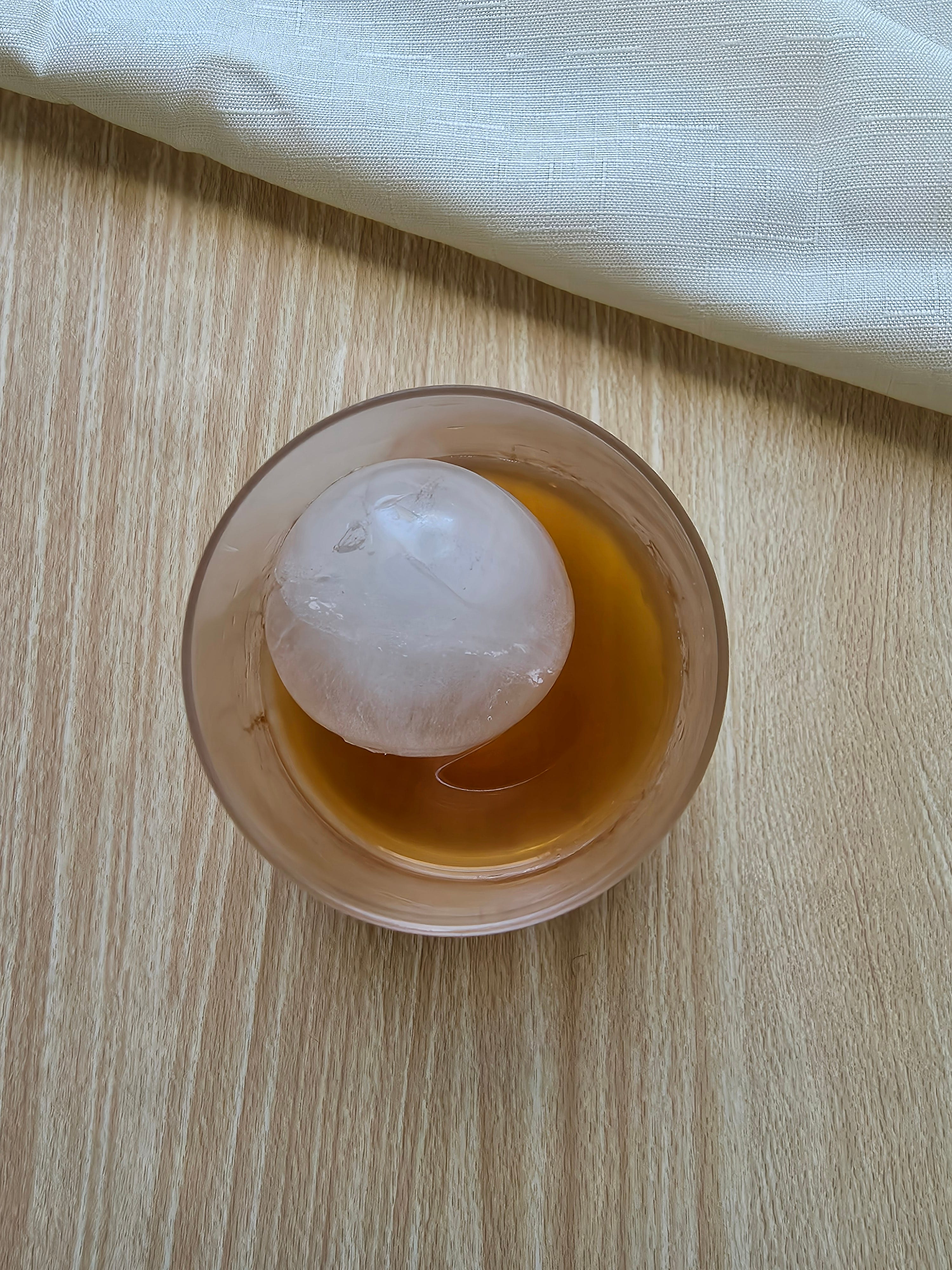
Nesta. Lover her or hate her?
On feminine rage, the wound mistaken for a personality, and a cocktail that should never taste approachable at first.

There has been a lot of conversation around Nesta Archeron, specifically whether her trauma excuses her behavior. Some say she was protecting herself. Others say she needed therapy, not a love interest.
Both are probably right.
And the fact that both are right is exactly what makes her so difficult to be in a room with.
What gets lost in that debate is this: Nesta represented a specific kind of feminine rage that nobody wants to sit with. Not even the people who wanted to understand her. She’s stubborn, resentful, and attacks anyone who tries to get close. Most readers wrote her off before A Court of Silver Flames gave them the full picture, and even then, the reaction was divided.
Here’s what I think gets missed: by the time we meet her, the wound had already been reduced to a personality trait. A shorthand. When in reality it was a shield built over years of humiliation, loss, and a vulnerability she worked constantly to hide.
How often do we write off a woman simply because she isn’t palatable?

The belief underneath the behavior
Nesta’s wound manifested as self-preservation mistaken for identity.
The logic underneath everything she does:
Love makes you vulnerable.
Vulnerability guarantees abandonment.
Therefore, needing people is dangerous.
That belief explains every contradiction. She wants connection but punishes anyone who offers it. She wants softness but weaponizes cruelty. She wants love but has decided she hasn’t earned it.
Nesta doesn’t move through the world trying to be loved. She moves through the world trying to avoid more pain than she can bear.
This is different from a morally grey character, and the distinction matters for the pairing. A morally grey character creates external conflict from misunderstanding. A wounded character is fighting an internal conflict that simply looks the same from the outside.
The Essence of Nesta
Nesta should never taste approachable at first.
She is an acquired taste, and most people won’t get past the surface to understand what’s underneath. On the surface: high proof, bitter, a burn that doesn’t apologize.
But that’s still only half of her.
The real question is: how does flavor defend itself?
Her profile should feel like someone ready to fight at the slightest provocation.
Bitter before sweet. Heat before comfort. Sharp edges that linger. A finish that softens, but only after endurance.
Not indulgence. Control.
Nesta’s Flavor Profile
These are not aesthetic choices. Each one represents the weight of her trauma.
Smoke — concealment. The burning rage hiding what’s underneath.
Espresso — grief at full intensity. No dilution.
Salt — sharpens every edge, but opens slowly to something almost soft.
Here is what that looks like in a glass.
The Armor